
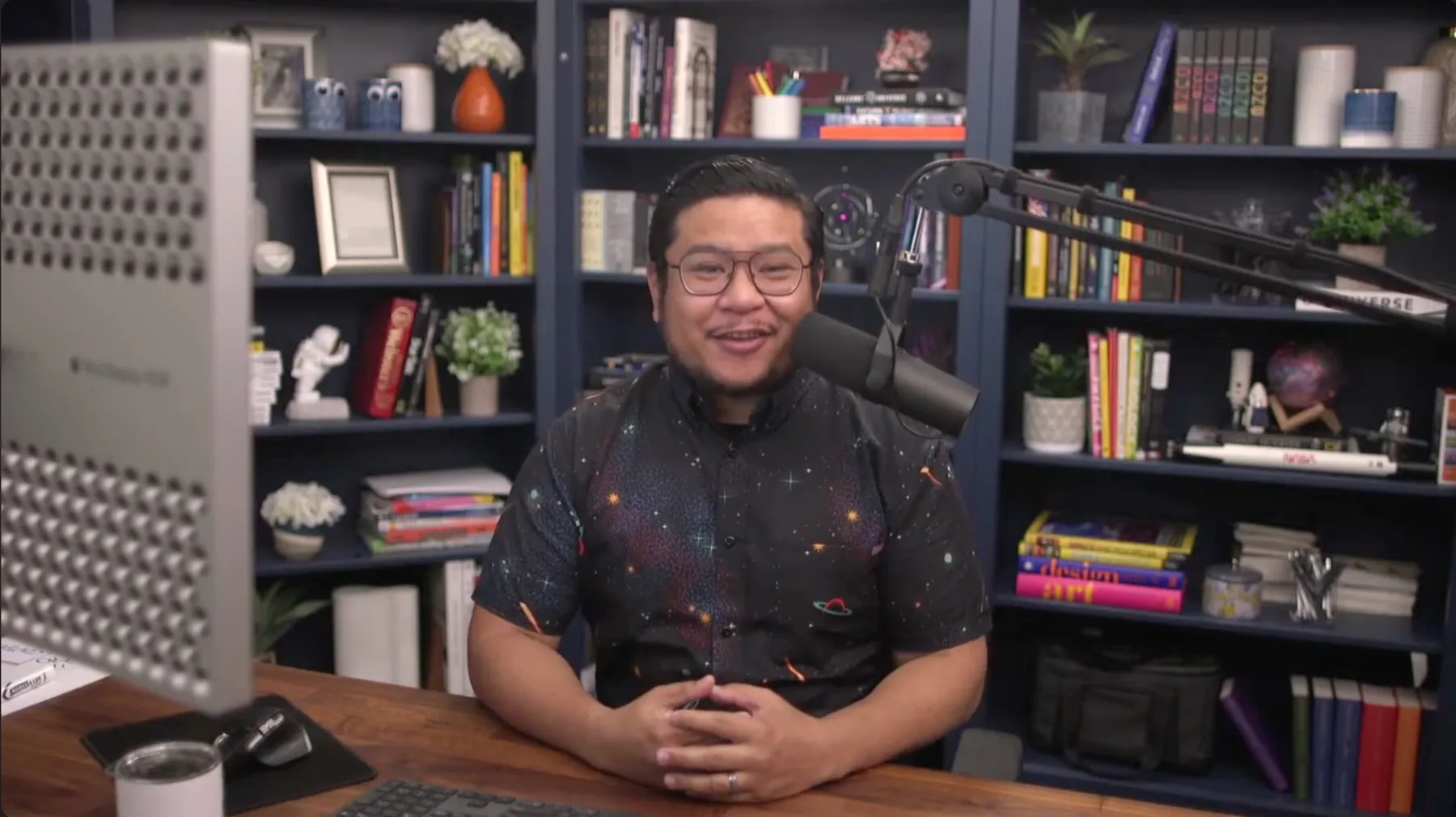
Live video has a way of turning perfectly normal humans into stiff, 'news anchor' versions of themselves. It punishes performance but rewards presence. The second you start 'announcing' instead of talking, your chat will go as quiet as a library during finals week.
How do you talk to one person on camera?
Forget the 'audience.' Every single person watching is likely alone, possibly in pajamas, and definitely multitasking. Say 'you,' not 'everyone.' And when you ask a question, actually wait. That four-second silence feels like an eternity in your headphones, but on the other side, it just looks like you're actually listening.
Leave the mistakes in (they're the best part)
The typo, the plugin that crashes, the cat walking across the desk—don't hide them. Those are the moments people actually remember because that’s what *their* lives look like. Fixing a problem live is the real lesson. A perfectly polished video just teaches people that you're good at editing, which... cool, I guess?
Audio is 70% of the video. Nobody leaves because the lighting is dim, but everyone leaves if you sound like you're broadcasting from a submarine.
Build a skeleton, not a script
Two minutes of 'vamping' while the latecomers find their pants.
One big promise: 'By the end of this, you'll be able to [thing].'
A hard stop. Respect people's calendars and they’ll respect your content.
Keeping that hard stop is how you build trust. If you say you're done at 2:00 PM, be done at 2:00 PM. Your audience has other things to do, like watching more videos of cats.